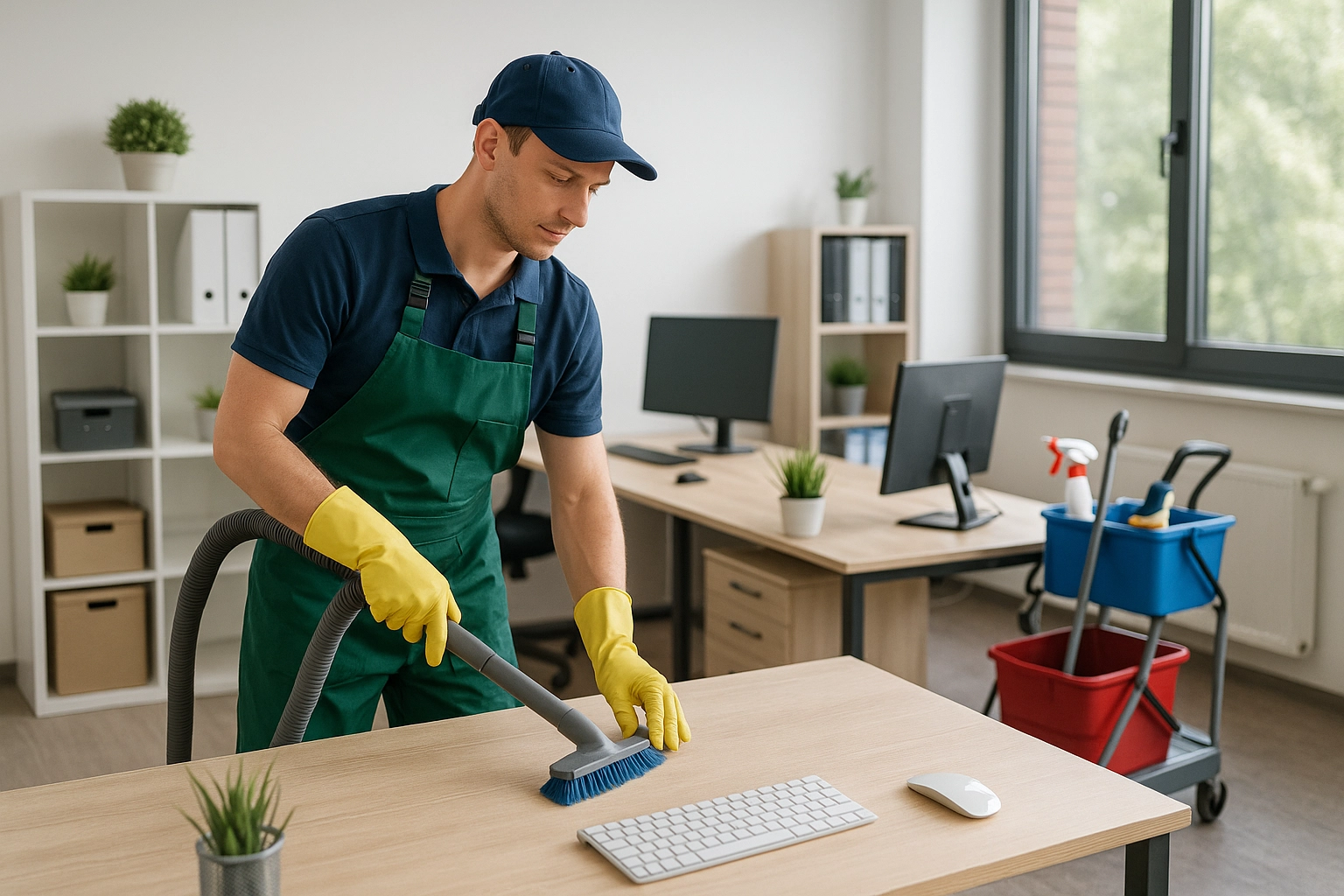
Ever walk into an office and feel instantly calmer? That is not an accident. When workspaces get a true deep clean, the air feels lighter, surfaces shine, and everyone can focus without the clutter and dust. In this guide, we will share 10 clear benefits of professional deep cleaning for offices. If you have ever tried deep cleaning services for apartments, you already know the power of a top to bottom refresh. The same idea works at the office, only with even bigger payoffs for your team and your business.
You will learn how it protects health, reduces sick days, boosts productivity, and leaves clients with a great first impression. We will cover savings you might not expect, like making furniture and equipment last longer, and how scheduled cleanings keep mess from piling up. You will also see simple tips to prepare your space, plus what to look for in a trustworthy cleaning partner. Whether you manage a small startup or a busy floor, this list will help you understand what deep cleaning can do, and how to get results that stick.
Improved Air Quality with Green Products
1. Non-toxic products cut allergens and irritants at the source
Traditional cleaners can release volatile organic compounds, or VOCs, that irritate eyes, throat, and lungs. The American Lung Association notes that many household cleaning supplies emit VOCs linked with respiratory symptoms and asthma triggers, especially in smaller spaces where air recirculates more often, like apartments. See their guidance on safer choices here: Cleaning supplies and household chemicals. During deep cleaning services for apartments, prioritizing low VOC formulas, HEPA vacuuming for dust mites, and microfiber damp dusting helps capture allergens instead of pushing them into the air. Opt for fragrance free or lightly scented options, and remember that while essential oils like lemon and lavender can help with odor control, emerging research suggests using them thoughtfully with good ventilation. Action step: check Safety Data Sheets for VOC content, choose EPA Safer Choice products, and run a portable HEPA purifier during and after cleanings.
2. Green cleaning supports calmer, clearer air in offices
Better indoor air quality has measurable benefits for focus and decision making. In one review of green building environments, workers showed 61 percent higher cognitive function scores compared with conventional spaces. Explore the summary here: Indoor air quality and performance overview. For offices and executive suites, pair non-toxic cleaners with smart practices, like scheduling cleaning when spaces are less occupied, boosting ventilation during products’ dwell time, and swapping strong synthetic fragrances for essential-oil-based scents at proper dilution or offering fragrance free on request. In Atlanta’s humid months, include vent faceplate washing and coil-safe dust removal to limit mold spore buildup. Action step: combine MERV 13 filtration, regular microfiber high dusting, and hydrogen-peroxide-based disinfectants to reduce chemical odors and residue.
3. Eco-friendly routines protect employee well-being
Green cleaning reduces exposure to harsh chemicals that can contribute to headaches, coughing, and fatigue, which supports fewer respiratory flare ups and a more comfortable workday. As companies adopt sustainable practices, demand for safer, high performance cleaners continues to rise, reflecting 2026 trends toward healthier workplaces. See how green cleaning is shaping operations: 2026 office cleaning trends. For a practical plan, set a recurring deep clean that targets vents, grout, and under-furniture dust reservoirs, use plant-based degreasers for break rooms, and document products’ VOC ratings to share with staff. At Eden Cleaning Co, we pair non-toxic formulations with careful scent selection, thoughtful ventilation, and fragrance free options, helping teams breathe easier and stay focused as your space looks and feels refreshingly clean.
Enhancing Brand Image Through Professional Cleaning
1. Regular deep cleaning keeps professional spaces pristine and welcoming
Think beyond daily tidying. Effective deep cleaning services for apartments and professional suites target buildup in grout lines, air vents, baseboards, behind appliances, and upholstery, the places clients actually notice when light hits just right. Set a 30, 60, 90 day plan, for example, monthly vent and baseboard detail, quarterly tile and grout restoration, biannual upholstery or carpet extraction. Use high performance, non toxic products with microfiber to capture fine dust, and choose essential oil scenting thoughtfully. Citrus and lavender can neutralize odors and cut grease, but some essential oil blends may contribute to higher indoor formaldehyde over time, so prioritize low VOC formulas, good ventilation, and light scenting. Capture proof with photo logs and quick pre visit resets, a 10 minute touch of entry glass, floors, and restrooms can lift first impressions fast.
2. A clean environment reflects a company’s commitment to quality
Clients read cleanliness as reliability and attention to detail. Research on brand image links professional cleaning to perceived trust and care, making it a visible signal of standards for offices, studios, spas, and executive suites How commercial cleaning enhances brand image. In 2026, sustainability is a clear expectation, with larger providers increasingly offering eco friendly options to match tenant and guest preferences Sustainability statistics in the cleaning industry. Action steps: document product lists that are non toxic and surface safe, train for material specific care like marble, stainless, and luxury vinyl, and post visible checklists in shared areas so residents and visitors see your standards at a glance.
3. Impress clients with high standard cleaning that aligns with premium branding
Tie your cleaning plan to brand cues, spotless lobbies, streak free glass, neutral fresh scent, and quiet equipment during business hours. Adopt digital checklists and scheduled quality audits to keep finishes consistent, tools can streamline routing, timing, and reporting Cleaning industry trends in 2026. Simple KPIs help, zero residue on high touch points, mirrors pass a flashlight test, grout shade matches reference tiles, and ATP spot checks for hygiene. For Atlanta showings, schedule a pre tour refresh 20 minutes before arrivals and include a one page maintenance summary for decision makers. If scenting is used, offer a fragrance free option to respect sensitivities while keeping that premium, fresh feel.
The Role of Scent Marketing in Productivity
1. Essential-oil-based scents lift mood and dial down stress
Scent ties directly to the limbic system, which is why the right aroma can quickly shift how a space feels. Lavender is a standout, with a review of 44 randomized trials showing meaningful reductions in anxiety and physical stress markers when inhaled, see the summary here: aromatherapy for easing anxiety. For a brighter lift, bergamot has been linked with lower cortisol, the body’s main stress hormone, which can help teams feel more balanced, learn more here: bergamot and mood. Ylang-ylang can also reduce heart rate and support relaxation, which suits lounges and break areas, details here: ylang-ylang for stress relief. To apply this safely in professional spaces and deep cleaning services for apartments, diffuse lightly, 15 to 30 minutes per hour, choose low-VOC, high-quality blends, and ventilate to avoid buildup.
2. Tailored office scents enhance customer and employee experience
A signature scent becomes part of the brand experience as soon as someone steps inside. Try bright citrus at entry, it signals energy and cleanliness, then calming lavender in reception to ease wait-time stress, and a mint or rosemary focus blend in collaboration rooms to support clarity. Create a simple scent map by zone, pilot it for two weeks, and measure practical outcomes, error rates in paperwork, customer dwell time, or post-visit ratings. Invite quick thumbs-up or thumbs-down feedback from employees to fine tune intensity. Keep sensitivity in mind, begin with the lowest setting and provide scent-free zones.
3. Scent marketing is an innovative way to improve workspace dynamics
Thoughtful aroma design pairs perfectly with non-toxic cleaning, it raises perceived cleanliness while supporting well-being and focus. It also reinforces brand identity, a consistent profile makes your space memorable and premium. Align diffusion with cleaning visits, reset and rotate seasonal notes so the environment stays fresh without overpowering. As eco-forward practices expand and green services continue to grow through 2030, integrating scent into property management plans can boost tenant satisfaction and team productivity. Eden Cleaning Co can help you select low-tox, essential-oil-based profiles and set schedules that keep Atlanta workspaces welcoming and high performing.
Reducing Health Risks with Non-Toxic Solutions
1. Non-toxic products minimize skin and respiratory irritations
Itchy hands and a tickly throat after cleaning often point to harsh VOCs and residues. Plant-based surfactants, peroxide blends, and gentle mineral cleaners reduce triggers linked to asthma and contact dermatitis. When non-toxic formulas replace chlorine, ammonia, and quats, teams report easier breathing within hours. In fact, low VOC routines can reduce indoor air pollutants by up to 60 percent, which supports clearer air and fewer complaints. Action steps, request fragrance-free or low-scent options near desks, use microfiber for dusting, and run a sealed HEPA vacuum so irritants are captured rather than recirculated.
2. Using eco-friendly solutions decreases contact with harmful chemicals
Eco-friendly cleaners are designed to break down quickly, so they leave less residue on keyboards, breakroom counters, and floors that people and pets touch all day. The shift is not a fad, the global eco-friendly cleaning products market is projected to reach 109.7 billion dollars by 2026, reflecting strong demand for safer choices. For deep cleaning services for apartments and executive suites, ask for citrus-based degreasers that are low in terpenes, precise dilution, and thorough rinsing of food surfaces. Essential-oil-based scents work best with ventilation, open windows or boost HVAC during and after service, and choose blends formulated for low VOC output. Quick checklist, request Safety Data Sheets, aim for minimal residue claims, and schedule cleaning when fewer people are onsite.
3. Green cleaning is safer for sensitive individuals and pets in the office
Pet-friendly offices and wellness studios need floors and fabrics that will not transfer irritants to paws or skin. Non-toxic, neutral pH floor cleaners and peroxide-based disinfectants reduce lingering residues, and a final water rinse in pet and snack areas adds extra safety. For allergy prone teammates, opt for low-scent or unscented options, use pump bottles instead of aerosols, and swap cotton rags for microfiber that lifts fine dust with less chemistry. Add a 30-minute flush of fresh air after deep cleaning, or run HVAC on high with upgraded filtration, to disperse any remaining vapors. Keep any essential oil scent subtle and intermittent so it enhances the space without overwhelming sensitive noses.
Why Deep Cleaning is Essential Before Recurring Services
1. The initial deep clean sets a high standard for ongoing services
Think of a deep clean as hitting the reset button so your apartment starts at a truly pristine baseline. When everything is scrubbed, detailed, and verified against a clear checklist, future visits can focus on maintaining that high bar instead of chasing old buildup. This is why many pros recommend documenting the baseline with notes or quick before-and-after photos, it keeps quality consistent and measurable. Industry guidance echoes this idea, an initial cleaning establishes the standard for all future service. For beginners, a practical tip is to schedule the deep clean 3 to 5 days before your first recurring visit so the team can calibrate timing, product needs, and room-by-room priorities.
2. Thorough cleaning tackles overlooked areas and detail work
Regular tidying often skips baseboards, vent covers, grout lines, cabinet interiors, and the hidden zones behind major appliances. A professional deep clean targets these spots, for example, degreasing the range hood filter, vacuuming refrigerator coils, lifting grime from window tracks, and sanitizing under-sink basins that can harbor moisture and odors. Ask for HEPA vacuuming on edges, microfiber detailing for dust-prone trim, and a crevice-brush pass on sliding door tracks. Low-tox degreasers that use natural oils like lemon can cut grease while keeping scents pleasant; to stay safest, ventilate during and after service, open windows for 15 minutes and run the bathroom fan to mitigate any VOC accumulation. Request a written scope so essentials like light-switch plates, door handles, and bath caulk lines are not missed.
3. It builds a maintenance-friendly foundation that saves time and money
Once buildup is removed, weekly and biweekly visits become faster, more predictable, and more affordable per hour because teams are maintaining, not restoring. You can set simple rhythms, a monthly detail for grout and glass, quarterly high-dusting for vents and ceiling fans, and a fridge and oven interior reset every 3 to 4 months. Property managers love this approach because consistent presentation helps attract premium tenants and reduce turnovers. The timing is right too, green cleaning services are projected to grow 6.9 percent from 2025 to 2030, signaling stronger support for non-toxic, high-performance routines. For busy Atlantans, starting with deep cleaning services for apartments means less stress, more sparkle, and a maintenance plan that actually sticks.
Creating Eco-Conscious Workplaces
1. Reflects corporate responsibility and sustainability efforts
Rolling out eco-friendly deep cleaning services for apartments signals that your brand takes environmental stewardship seriously. Tie cleaning standards to clear goals, like reducing waste, lowering VOC exposure, and tracking greenhouse gas impacts from supplies and travel. The market for green cleaning services is projected to grow about 6.9% from 2025 to 2030, which shows stakeholders increasingly expect sustainable operations. Property managers are also integrating eco-focused cleaning into routine maintenance, a 2026 trend that helps attract premium tenants and reduce vacancies by showcasing healthier, responsibly maintained spaces. Make it visible, place discrete signage that notes non-toxic products and low-water methods, and include sustainability metrics in quarterly reports to residents and staff.
2. Encourages an environmentally friendly culture among employees
Sustainable cleaning becomes real when your team understands the why and the how. Start with short trainings on product labels, safe dilutions, and proper microfiber use, then add refreshers during team huddles. Programs that prioritize education have reported double digit drops in emissions, with some urban plans citing around a 25% reduction after coordinated training. Offer scent options thoughtfully, essential-oil-based scents can elevate the experience, but they should be used with good ventilation, proper dilution, and low-VOC carriers to minimize potential formaldehyde formation over time. Make it engaging, create a green checklist for each shift, assign sustainability champions, and celebrate wins like refill rates or waste diversion.
3. Reduces carbon footprint with sustainable cleaning practices
Cleaning activities contribute an estimated 2.3% of global carbon emissions annually, so improvements here matter. Choose concentrates with on-site dilution, reusable spray bottles, and durable microfiber, these reduce packaging, chemical use, and landfill waste. Water-saving methods can cut consumption by up to 40%, and biodegradable cleaners help reduce microplastic pollution by as much as 60%. Smart scheduling, such as clustered routes for Atlanta apartment portfolios, limits drive time and fuel use, while cold-water laundering and energy-efficient equipment lower electricity demand. Track simple KPIs per unit cleaned, gallons of water, kWh, pounds of waste, and kg CO2e, and target a 5 to 10 percent annual improvement to lock in cost savings and up to 30 percent lower operational costs over five years.
Tailoring Cleaning Plans to Fit Unique Office Spaces
1. Customized cleaning plans accommodate specific business needs
Every office works differently, so your cleaning plan should too. At Eden Cleaning Co, we start with a quick space profile, square footage, traffic flow, and any regulated zones like treatment rooms or server closets, then build a room-by-room checklist. Executive suites may prioritize fingerprint-free glass and boardroom tables, while studios and salons focus on disinfected tools and slip-resistant floors. Breakrooms get natural degreasers like lemon to cut grease and neutralize odors, with fragrance-free options for sensitive teams. With green services projected to grow 6.9 percent from 2025 to 2030, customization keeps you aligned with modern expectations.
2. Flexibility in scheduling ensures minimal disruption to office routines
Cleaning should support your day, not interrupt it. We offer early morning, evening, or weekend visits, plus micro-zoned schedules that hit reception, meeting rooms, and production areas in short windows between bookings. A rotating calendar places carpet extraction, grout detailing, and high dusting on quieter days, while daily tidying stays quick and unobtrusive. For example, glass and entry detailing can happen before 8 a.m., with floor care after closing so staff never detour around equipment. Mixed-use buildings can stagger timings per floor, keeping elevators and corridors clear.
3. Personalized services provide peace of mind and reliability
Consistency builds trust, so we assign a dedicated crew and maintain digital checklists with photo notes for special requests. You get clear scope and timestamps, plus a single point of contact who adapts your plan as needs evolve. Prefer a fresh scent for client days and fragrance-free on production days? We can use essential-oil-based aromas like lavender sparingly for ambiance, and balance them with ventilation and low-VOC, non-toxic products to address indoor air concerns identified in recent research. Quarterly deep cleans, supply restocking, and simple feedback loops provide the reliability and peace of mind busy teams appreciate, including properties that also rely on deep cleaning services for apartments.
Conclusion
A professionally deep cleaned office does more than look good. It protects employee health and reduces sick days, lifts focus and productivity, and creates a strong first impression for clients. It also saves money over time by extending the life of furniture and equipment, and by preventing mess from piling up with a set schedule. With the prep tips and hiring checklist above highlighting the benefits of deep cleaning services, you are ready to choose a partner who delivers consistent results.
Ready to experience the difference? Audit your space this week, set a quarterly deep cleaning plan, and request two to three quotes from vetted providers. Start with high traffic areas, then expand office wide. Invest in the reset now, and watch morale rise, operations run smoother, and your workplace become a place people are proud to enter every day. Schedule a Walkthrough here.